
Filter media refers to the material that is used to separate unwanted particles from the substance being filtered. Choosing the right filter fabric for liquid-solid separation requires technical expertise and balancing a variety of factors, including the type of Filtration Equipment, Cake Release, Ease of Cleaning, Particle Size, Particle Size Distribution and Particle Shape, Chemistry/Operating Temperature, and the Overall Volume of Material Being Processed.
In this technical blog post, Cleanova Micronics will explore Filter Press Cloth Selection and how it can make a major difference in your Filter Press operations. With cleanova, you benefit from deep filter media expertise and multiple filter media manufacturing facilities along with a full range of offerings including capital equipment, field service, spare parts, and training.
Learn more about Filter Cloth Selection under Cleanova Micronics’ FAQs.
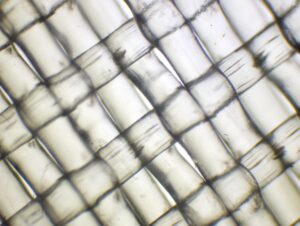 Particle size is important when selecting filter cloth. Different fabrics are equipped to handle different particle sizes. If the cloth’s pores are too big, particles will pass through without being caught in the filter. If the pores are too small, the cloth will blind and prevent slurry from passing through. Often, the cake that forms on the cloth is performing much of the filtering. The cloth must have the right pore size to build a cake but still allow liquid to flow through.
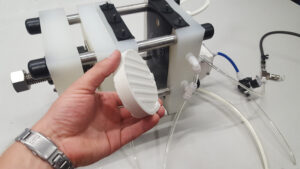 Consider how much material is being processed. How thick does the filter cake need to be? How heavy is the filter cake? If the cloth must support all the weight of the filter cake, the fabric must be strong enough to handle the load of the material being processed.